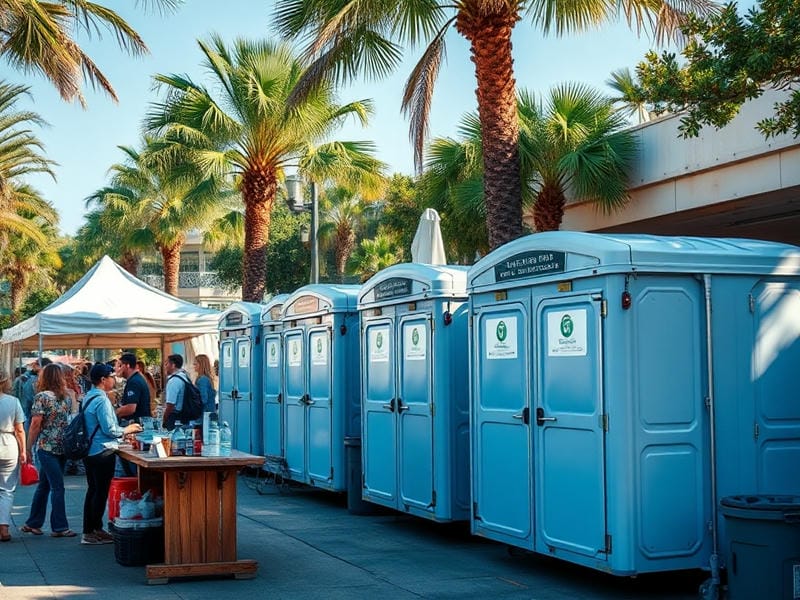
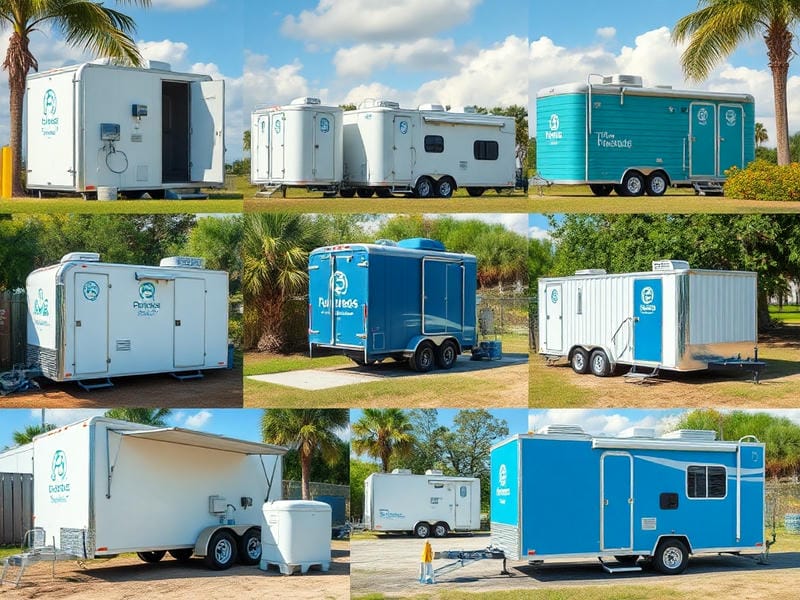
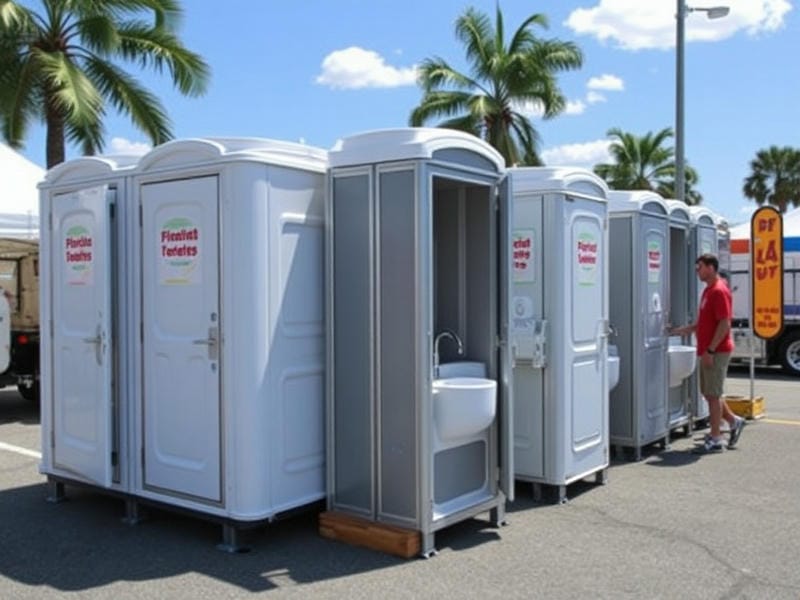
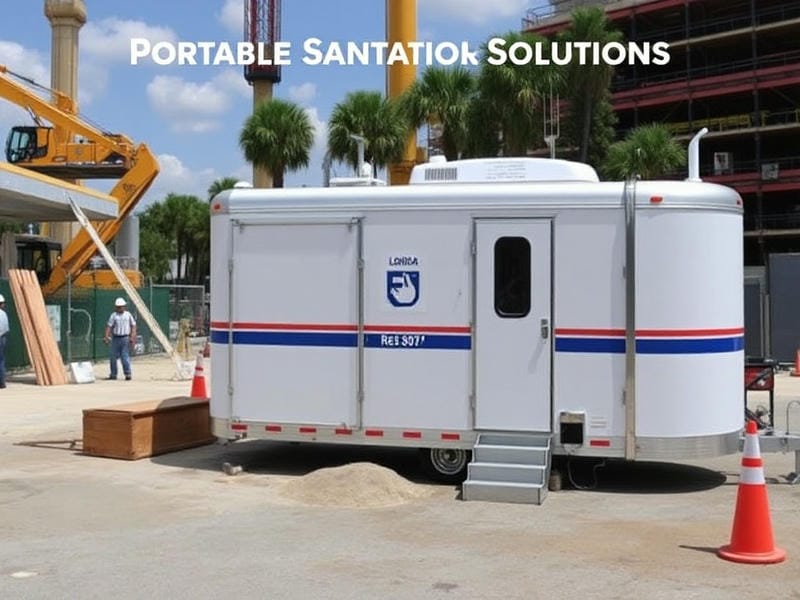
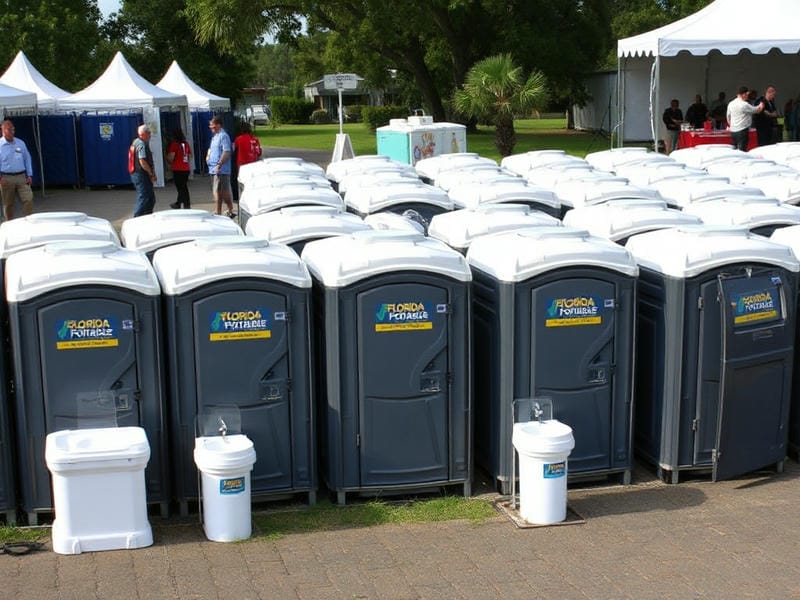
In today's world, the importance of eco-friendly practices cannot be overstated, especially when it comes to sustainable sanitation. Portable restroom rentals, a necessity for events and construction sites alike, present an opportunity to implement green solutions that contribute significantly to environmental conservation and community health.
Sustainable sanitation practices in portable restrooms involve several key strategies. Firstly, the use of biodegradable materials in the construction and maintenance of these restrooms is essential. By opting for materials that break down naturally without harming the environment, companies can reduce landfill waste and minimize pollution. This simple yet effective step plays a crucial role in conserving natural resources and promoting a healthier ecosystem.
Moreover, water conservation is another critical aspect of sustainable sanitation. Traditional portable restrooms often rely on significant amounts of water for flushing and cleaning purposes. However, eco-friendly alternatives utilize water-saving technologies such as low-flow fixtures or waterless systems that drastically reduce water consumption. By conserving this precious resource, we not only protect our environment but also ensure its availability for future generations.
Chemical usage in traditional portable restrooms poses a threat to both the environment and public health. Sustainable practices advocate for non-toxic cleaning agents and sanitizers that are less harmful to nature while effectively maintaining hygiene standards. This transition helps protect local waterways from contamination by hazardous chemicals, safeguarding aquatic life and ensuring cleaner water sources for communities.
Furthermore, implementing waste management strategies such as composting toilets can transform human waste into valuable resources like fertilizer. This practice not only minimizes waste but also enriches soil quality, aiding local agriculture efforts. By closing the loop on waste disposal through composting methods, we support nutrient cycling within ecosystems while reducing reliance on chemical fertilizers that can have adverse environmental effects.
Beyond the immediate environmental benefits, sustainable sanitation practices enhance community health by improving overall hygiene standards at gatherings where portable restrooms are used extensively. Properly managed facilities equipped with hand sanitizers or washing stations help prevent disease transmission among attendees or workers exposed daily under challenging conditions.
Additionally, adopting eco-conscious approaches fosters awareness about sustainability issues among users who witness firsthand how small changes make a big difference collectively over time-a ripple effect inspiring individuals towards more responsible behavior beyond temporary restroom experiences alone!
In conclusion: embracing eco-friendly practices within portable restroom rentals offers numerous advantages-from conserving vital resources like water & energy-to protecting fragile ecosystems against harmful pollutants-all while enhancing public health outcomes through improved hygiene measures! As we continue moving forward toward greater sustainability goals globally-let us remember every effort counts; even those seemingly modest ones undertaken inside humble porta-potties!
In recent years, the global emphasis on sustainability has permeated various industries, including the rental sector. Portable restroom rental companies, in particular, have a unique opportunity to implement sustainable sanitation practices that not only benefit the environment but also enhance their service delivery and reputation. Developing effective implementation strategies is crucial for these companies to transition smoothly into more eco-friendly operations.
One of the primary strategies involves adopting environmentally friendly materials and technologies. Traditional portable restrooms often rely on chemical-based solutions for waste management, which can be harmful to the environment. By switching to biodegradable or non-toxic chemicals, rental companies can minimize their ecological footprint. Furthermore, investing in advanced technologies such as vacuum flush systems or composting toilets can significantly reduce water usage and waste production.
Another critical strategy is optimizing logistics and transportation methods. The carbon footprint associated with transporting portable restrooms can be substantial, given the frequent need for relocation and servicing. Companies can mitigate this impact by employing fuel-efficient vehicles or integrating route optimization software to reduce travel time and fuel consumption. Additionally, strategically positioning storage yards closer to high-demand areas can further decrease transportation-related emissions.
Education and training form another cornerstone of successful implementation strategies. Staff must be adequately trained in sustainable practices to ensure proper maintenance and handling of eco-friendly equipment. Moreover, educating clients about the benefits of sustainable sanitation options can foster a more supportive customer base willing to embrace greener alternatives.
Collaboration with stakeholders is also essential for driving sustainability initiatives forward. Rental companies should engage with manufacturers to develop innovative products that meet environmental standards while maintaining functionality and cost-effectiveness. Partnerships with local governments or environmental organizations could facilitate access to grants or incentives aimed at promoting green business practices.
Lastly, continuous monitoring and improvement are vital components of any implementation strategy. By setting clear sustainability goals and regularly assessing progress through metrics such as water savings or reduced emissions, companies can identify areas for further enhancement and celebrate achievements along the way.
In conclusion, implementing sustainable sanitation practices in portable restroom rentals requires a multifaceted approach that encompasses material innovation, logistical efficiency, education, collaboration, and ongoing evaluation. As rental companies embrace these strategies, they not only contribute positively towards environmental conservation but also position themselves as leaders in an increasingly eco-conscious market landscape.
In recent years, the call for sustainable practices has echoed across various industries, urging businesses to reconsider their operational methodologies. Portable restroom rental companies are no exception. As events and construction sites increasingly demand eco-friendly solutions, these companies have an opportunity to lead in sustainable sanitation practices. Integrating green initiatives not only meets customer expectations but also contributes significantly to environmental conservation. Here are some practical steps that portable restroom rental companies can adopt to integrate sustainability into their operations.
Firstly, the adoption of environmentally friendly materials in the manufacture and upkeep of portable restrooms is crucial. Companies can choose units made from recycled plastic or other sustainable materials, thereby reducing the dependency on new resources and minimizing waste. Additionally, ensuring that these materials are durable can extend the lifespan of each unit, resulting in fewer replacements and less environmental impact over time.
Moreover, water conservation is a critical aspect of sustainable sanitation practices. Portable restrooms can be equipped with low-flow fixtures or waterless options that drastically reduce water usage compared to traditional models. By implementing systems that recycle greywater or utilize biodegradable chemicals for cleaning and odor control, companies can minimize their ecological footprint while maintaining hygiene standards.
Energy efficiency is another area where portable restroom companies can innovate. Solar panels or other renewable energy sources can power lighting and other necessary functions within the units. This shift not only reduces reliance on fossil fuels but also offers a unique selling proposition to environmentally conscious clients who value green energy solutions.
Waste management is central to any discussion on sustainability in sanitation services. Portable restroom companies should establish robust waste separation and recycling processes to ensure that waste is disposed of responsibly. Partnering with local waste management firms specializing in composting or converting waste into energy could provide additional avenues for reducing landfill contributions.
Furthermore, transportation plays a significant role in the carbon footprint associated with portable restroom rentals. Optimizing logistics through route planning software ensures that fuel consumption is minimized during delivery and pickup routes. Investing in fuel-efficient vehicles or even transitioning to electric trucks where feasible could further lessen environmental impact.
Lastly, education and collaboration form the backbone of successful integration of sustainable practices within any industry. Training staff on sustainability principles ensures that every member of the organization understands their role in achieving these goals. Furthermore, engaging with clients about sustainable options available encourages them to make informed choices that align with their values.
In conclusion, by implementing measures such as utilizing eco-friendly materials, conserving water resources, embracing renewable energy options, improving waste management systems, optimizing transport logistics, and fostering education around sustainability-portable restroom rental companies can effectively integrate green practices into their operations. These steps not only enhance brand reputation among eco-conscious consumers but also contribute significantly towards building a more sustainable future for all sectors involved in event planning and construction projects worldwide.
Sustainable sanitation practices have become an increasingly important focus in the realm of portable restroom rentals. As the world grapples with environmental challenges, the need for eco-friendly solutions in every sector has never been more pressing. Case studies and success stories from around the globe highlight how innovative approaches to portable sanitation can benefit both businesses and communities while protecting our planet.
One compelling case study comes from a company that decided to overhaul its entire fleet of portable restrooms with units designed to minimize water usage. These restrooms are equipped with advanced vacuum flush systems that reduce water consumption by up to 90% compared to traditional models. By adopting this technology, the company not only decreased its environmental footprint but also significantly cut down on costs associated with water procurement and waste disposal.
Moreover, this initiative went beyond just technological upgrades. The company invested in training programs for its staff to ensure proper maintenance and operation of these new units, thus extending their lifespan and efficiency. This holistic approach not only enhanced customer satisfaction but also set a benchmark in the industry for sustainable operational practices.
Another success story hails from a community-driven project that utilized composting toilets at large outdoor events. In collaboration with local authorities and non-profit organizations, this initiative aimed to manage waste sustainably while educating the public about ecological sanitation methods. The composting process transformed human waste into valuable fertilizer, which was then used for local agriculture projects, closing the nutrient loop and fostering a sense of community involvement in sustainability efforts.
These initiatives were met with enthusiasm and support from event-goers who appreciated the environmentally conscious approach. The positive feedback underscored how public perception is shifting towards valuing sustainability as much as convenience when it comes to essential services like sanitation.
Furthermore, a look at international success stories reveals fascinating examples such as solar-powered portable restrooms being implemented in areas lacking reliable electricity. These units harness solar energy to power ventilation systems and lighting, ensuring hygienic conditions even during nighttime or overcast days. Such innovations not only empower communities with limited resources but also demonstrate how clean technology can be seamlessly integrated into everyday necessities.
In conclusion, these case studies exemplify that sustainable sanitation practices in portable restroom rentals are not just feasible but immensely beneficial on multiple fronts-economically, socially, and environmentally. They highlight how forward-thinking companies and communities can lead by example, inspiring others to follow suit in creating a cleaner, greener future for everyone.
In recent years, the global push towards sustainability has extended beyond traditional industries and into the realm of sanitation, particularly in the niche of portable restroom rentals. As environmental awareness grows, so does the demand for sustainable sanitation solutions that are both eco-friendly and efficient. Several companies and events have risen to the challenge, implementing innovative solutions that set a standard for sustainable practices in this field.
One notable example is the company "Nature's Call," which has made significant strides in transforming how portable restrooms operate. They utilize composting toilets that eliminate the need for water-based systems by using natural processes to break down waste. This method not only reduces water consumption but also minimizes waste output by converting it into nutrient-rich compost. By doing so, Nature's Call offers an environmentally responsible alternative to traditional chemical-laden portable toilet solutions.
Another leader in this movement is "Sustainable Sanitation Solutions," a company dedicated to providing green alternatives for event organizers who are keen on reducing their carbon footprint. They offer solar-powered restrooms equipped with LED lighting and ventilation systems powered entirely by renewable energy sources. This approach significantly decreases reliance on fossil fuels, showcasing how clean energy can seamlessly integrate into everyday amenities like portable restrooms.
The success of these companies underscores a broader trend seen at large-scale events such as music festivals or outdoor sports gatherings, where sustainability is becoming increasingly prioritized. For instance, the renowned Glastonbury Festival in England has been at the forefront of implementing sustainable practices across all facets of its operations, including sanitation. The festival's organizers have introduced long-drop toilets that decompose human waste naturally without chemicals or excessive water use. Additionally, they employ vacuum flush systems similar to those used on airplanes which require minimal water per flush compared to conventional methods.
These initiatives not only help reduce environmental impact but also promote public awareness about sustainability issues associated with temporary facilities like portable restrooms. Event attendees are becoming more conscious of their ecological footprint and appreciate efforts made by organizers who prioritize green alternatives.
Moreover, partnerships between companies specializing in sustainable sanitation solutions and event organizers create opportunities for innovation and improvement within this industry sector over time pushing boundaries further towards greener horizons while setting new standards along every step taken together toward achieving shared goals aimed squarely at protecting our planet's precious resources today so they remain available tomorrow too!
In conclusion: Sustainable Sanitation Practices represent an essential component when considering overall environmental responsibility especially concerning temporary structures such as those found within Portable Restroom Rentals space! With successful examples already paving way forward thanks largely due diligence shown by pioneering entities committed wholeheartedly toward embracing change demanded now urgently needed worldwide alike!
Sustainable sanitation practices for portable restroom rentals are increasingly gaining attention as the world becomes more environmentally conscious. These practices, while essential for reducing the environmental impact of temporary sanitation facilities, come with their own set of challenges and considerations that must be carefully navigated.
One of the primary challenges in implementing sustainable sanitation practices is finding a balance between functionality and eco-friendliness. Portable restrooms need to provide reliable services during events or at construction sites, but integrating sustainable solutions often introduces complexities. For instance, using biodegradable materials or eco-friendly chemicals in treatment processes can sometimes compromise durability or effectiveness. Therefore, suppliers and manufacturers must innovate to develop materials and technologies that do not sacrifice performance for sustainability.
Another significant consideration is waste management. Portable restrooms generate waste that needs to be disposed of responsibly to avoid environmental contamination. Traditional disposal methods often involve transporting waste to treatment facilities, which can be resource-intensive and increase carbon emissions due to transportation logistics. To address this, companies are exploring options such as onsite composting systems or utilizing anaerobic digestion technologies that convert waste into biogas-a renewable energy source. However, these technologies require upfront investment and regular maintenance, posing financial challenges for some businesses.
Water usage is another critical factor in sustainable sanitation practices. Many traditional portable restrooms rely on significant amounts of water for flushing and cleaning purposes. Reducing water consumption can be achieved through innovations like waterless urinals or low-flush systems; however, they may require changes in user behavior and acceptance by end-users who are accustomed to conventional systems.
Additionally, regulatory compliance presents challenges and opportunities for promoting sustainability in portable restroom rentals. Regulations regarding environmental protection vary widely across regions and can influence the adoption of certain sustainable practices. While stringent regulations might encourage companies to adopt greener technologies sooner rather than later, they also necessitate staying up-to-date with evolving laws-requiring time and resources.
Consumer awareness plays a pivotal role as well; encouraging event organizers and other users of portable restrooms to prioritize sustainability can drive demand for greener options. Educating consumers about the benefits of choosing environmentally friendly sanitation solutions helps create a market incentive for more widespread implementation.
Ultimately, addressing these challenges requires collaboration among industry stakeholders-from manufacturers innovating new products to policymakers enacting supportive regulations-and an ongoing commitment towards research and development in sustainable technologies within this sector.
In conclusion, while there are undeniable hurdles associated with sustainable sanitation practices for portable restroom rentals-ranging from technological limitations to regulatory pressures-their adoption is crucial for minimizing environmental impacts associated with temporary sanitary facilities worldwide. By prioritizing innovation coupled with consumer education efforts alongside supportive policy frameworks-we can make meaningful progress toward achieving truly green solutions within this essential service industry.
As the world increasingly turns its focus toward sustainable living, businesses across various sectors are faced with the challenge of transitioning to environmentally-friendly practices. The portable restroom rental industry is no exception. Sustainable sanitation practices present a promising path forward, yet they come with their own set of potential obstacles, particularly in terms of cost implications and customer perception.
One of the primary hurdles that businesses encounter when shifting to sustainable sanitation solutions is the financial burden associated with such a transition. Incorporating eco-friendly technologies and materials often demands significant upfront investment. For instance, biodegradable waste treatment systems or solar-powered units can be considerably more expensive than traditional options. Furthermore, integrating sustainable cleaning products and processes into operations may entail additional costs for training staff and ensuring compliance with environmental standards.
These initial expenses can be especially daunting for small to medium-sized enterprises that operate within tight budget constraints. As they weigh the benefits against the costs, these companies must consider not only immediate expenditures but also long-term savings and revenue opportunities that might arise from adopting green practices. For example, while a commitment to sustainability may involve higher initial outlays, it could result in decreased operational costs over time through reduced water usage or lower energy bills.
Alongside financial considerations, businesses must navigate the intricate landscape of customer perception. As awareness around sustainability grows, customers increasingly expect companies to demonstrate genuine commitment to environmental stewardship. However, this expectation creates a delicate balance; businesses need to ensure their efforts are perceived as authentic rather than as superficial marketing tactics or "greenwashing."
Clear communication becomes paramount in addressing customer perceptions effectively. Businesses should strive to educate their clientele on the tangible benefits of sustainable sanitation practices-such as improved hygiene standards and reduced ecological footprints-while transparently sharing progress towards sustainability goals. Building trust through honest dialogue can help mitigate skepticism and foster stronger relationships with environmentally-conscious consumers.
Moreover, understanding diverse customer preferences is crucial in tailoring services appropriately. While some clients might prioritize sustainability above all else, others may be more concerned about convenience or cost-effectiveness. Therefore, offering customizable options that cater to varying needs can bridge this gap by providing choices that align both with eco-friendly values and practical requirements.
In conclusion, transitioning to sustainable sanitation practices within the portable restroom rental industry presents undeniable challenges related primarily to cost implications and managing customer perceptions effectively. Nevertheless, by embracing innovative solutions alongside strategic communication efforts aimed at fostering transparency and trust among stakeholders involved-from investors willing invest into greener infrastructure down till end-users who value responsible consumption-businesses stand poised not only overcome these obstacles successfully but also position themselves competitively amid an era where sustainability plays vital roles shaping future landscapes across industries worldwide .
In recent years, the growing concern for environmental sustainability has permeated various facets of our lives, including the realm of sanitation. As society becomes more eco-conscious, industries are increasingly looking for ways to incorporate sustainable practices into their operations. One such area witnessing a significant transformation is the portable restroom rental industry. The future trends in sustainable sanitation for rentals are promising and indicative of a broader movement towards greener solutions.
The portable restroom sector has traditionally been seen as a necessity rather than an environmentally friendly option. However, this perception is changing rapidly as companies innovate to reduce their ecological footprint. One major trend is the use of environmentally friendly materials in the construction of portable restrooms. Manufacturers are now utilizing recycled plastics and biodegradable materials that break down more easily post-use, significantly reducing waste in landfills.
Another exciting development is the implementation of water-saving technologies. Traditional portable restrooms often rely heavily on chemicals and large volumes of water for waste processing and odor control. Companies are now adopting advanced systems that minimize water usage through techniques such as vacuum flushing or even composting toilets that require no water at all. These innovations not only conserve precious resources but also align with global efforts to combat water scarcity.
Moreover, energy efficiency is becoming a critical component of sustainable sanitation solutions. Solar panels are being integrated into portable restrooms to power lighting and ventilation systems independently from external power sources. This approach not only reduces reliance on fossil fuels but also allows these units to be self-sufficient in remote locations where electricity access might be limited.
A crucial aspect of sustainability involves effective waste management and recycling processes. Companies offering portable restroom rentals are exploring closed-loop systems where waste can be processed onsite and transformed into biogas or fertilizers, contributing to a circular economy model. This not only addresses disposal issues but also provides potential economic benefits through resource recovery.
In addition to technological advancements, consumer awareness plays a vital role in driving sustainable practices within this industry. Event organizers and construction companies-the primary users of portable restrooms-are becoming more discerning about their environmental impact, seeking out suppliers who prioritize eco-friendly options. As demand grows for green alternatives, it incentivizes manufacturers and rental companies to continue evolving towards more sustainable models.
Finally, digitalization is set to revolutionize how we manage portable restroom services sustainably. IoT devices can monitor usage patterns and optimize servicing routes, reducing unnecessary travel emissions associated with maintenance visits while ensuring cleanliness standards are maintained efficiently.
In conclusion, the future trends in sustainable sanitation for rentals reflect an exciting shift towards responsible stewardship of our planet's resources without compromising convenience or functionality. Through innovative materials, water conservation techniques, energy-efficient solutions, robust waste management strategies-and fueled by increasing consumer demand-the industry is poised for transformative change that aligns with broader global sustainability goals.
As we look toward the future of sustainable sanitation practices, particularly in the realm of portable restroom rentals, it becomes clear that innovation and environmental responsibility will be at the forefront. The growing awareness of environmental issues and the increasing demand for eco-friendly solutions are driving changes in how we think about sanitation on-the-go. This shift is not only necessary but inevitable, as societies worldwide grapple with the challenges posed by climate change, resource scarcity, and public health concerns.
One emerging trend shaping this sector is the integration of advanced waste treatment technologies into portable restrooms. Traditional chemical toilets are gradually being replaced by systems that use biological processes to break down waste more efficiently and sustainably. These innovations often involve anaerobic digestion or microbial fuel cells, which not only reduce waste volume but also generate usable byproducts like biogas or electricity. Such developments promise to transform portable restrooms from mere conveniences into mini-hubs of resource recovery.
Moreover, water conservation techniques are becoming increasingly critical in portable restroom design. Low-flow fixtures and vacuum flush systems help minimize water usage without compromising hygiene standards. Some companies are experimenting with dry composting toilets that entirely eliminate the need for water while converting human waste into valuable compost. These systems align perfectly with global efforts to conserve freshwater resources and reduce ecological footprints.
The use of sustainable materials in construction is another noteworthy trend. Manufacturers are exploring biodegradable plastics, recycled materials, and renewable resources like bamboo to construct durable yet eco-friendly restroom units. This approach reduces reliance on non-renewable resources and minimizes environmental impact at every stage of a product's lifecycle-from production through disposal.
Digital technology also plays a pivotal role in advancing sustainable practices within this industry. Smart sensors can monitor occupancy levels, maintenance needs, and resource consumption in real-time, allowing providers to optimize service routes and reduce their carbon footprint significantly. Moreover, mobile applications can offer users information about the nearest available facilities equipped with specific sustainability features-thereby promoting their widespread adoption.
Lastly, public education remains crucial in fostering sustainable sanitation practices. Raising awareness about the benefits of these innovative solutions can drive consumer demand and encourage further investment in research and development. Collaborative efforts between governments, private companies, NGOs, and communities will be essential to establish new norms around sanitation that prioritize both human health and environmental stewardship.
In conclusion, the future of sustainable portable restroom solutions lies at the intersection of technology innovation and ecological consciousness. By embracing cutting-edge waste treatment methods, conserving water through smart design choices, utilizing sustainable materials for construction, leveraging digital tools for efficiency gains-and crucially-educating stakeholders across all levels; we can pave a path towards a cleaner planet where everyone has access to dignified sanitation options regardless if they're at home or on-the-go.